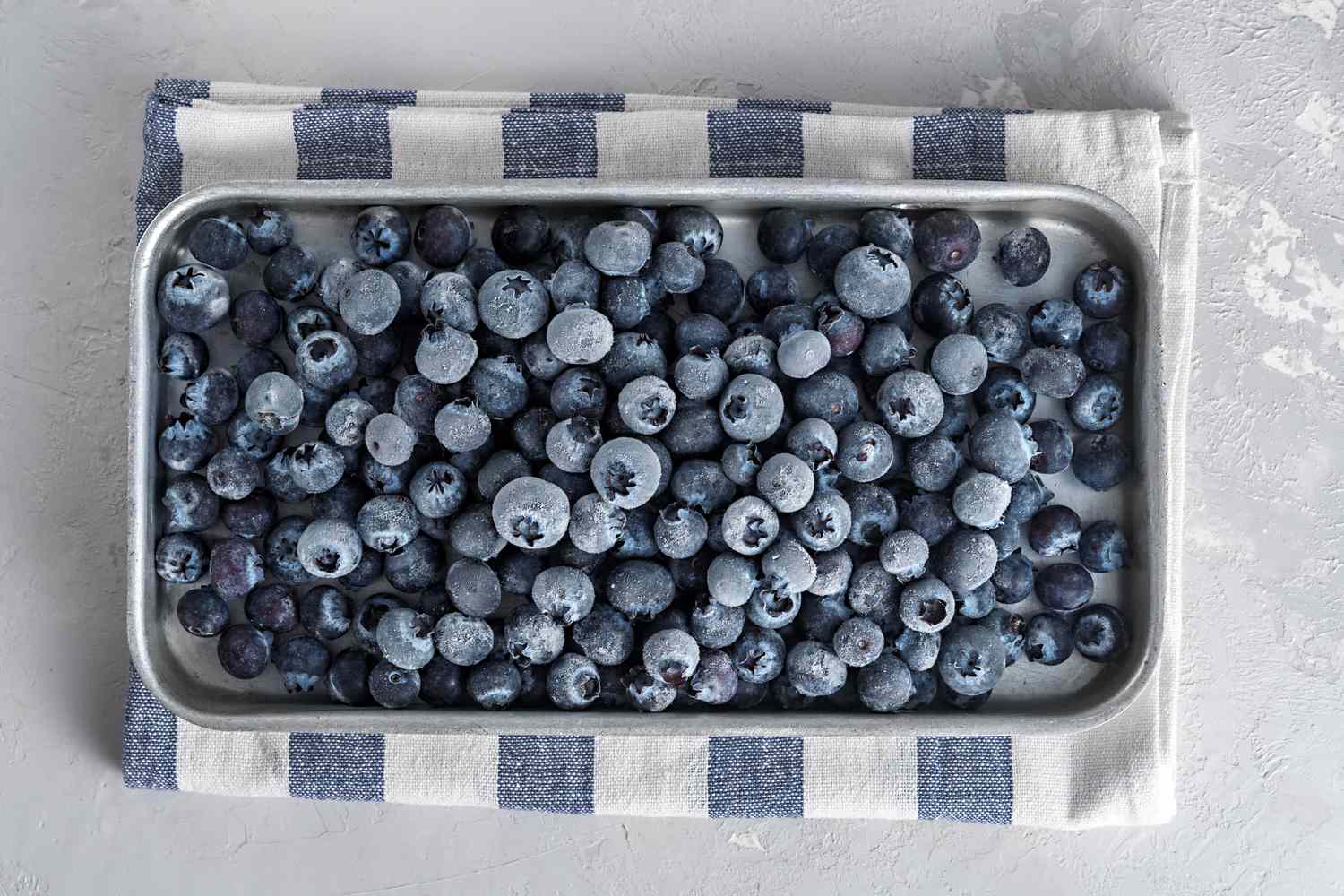
Summer’s bounty of fresh blueberries is a treat we all wish could last forever. While their peak season is fleeting, the good news is that you don't have to limit your enjoyment to just a few short weeks. Freezing blueberries is an incredibly effective way to capture their sweet, juicy essence, allowing you to enjoy their health benefits and versatile flavor all year long. However, many home freezers end up with a solid block of berries, making them difficult to use. If you've ever wrestled with a frozen clump of blueberries, you know the frustration!
The secret to perfectly frozen, individual blueberries lies in a few simple, yet crucial, steps. This comprehensive guide will walk you through how to freeze blueberries at home, ensuring each berry remains perfectly separate, ready for your next smoothie, muffin, or snack. Say goodbye to ice-clumped frustration and hello to a year-round supply of summer's finest!
Why Freezing Blueberries is Your Best Bet
Beyond simply extending their shelf life, freezing blueberries offers a multitude of benefits that make it an indispensable kitchen practice. When done correctly, freezing is a powerful preservation method that locks in freshness, flavor, and nutrition.
- Extended Enjoyment: Fresh blueberries typically last only a few days in the refrigerator. Frozen, they can maintain their quality for up to a year, meaning you can enjoy their taste long after the season ends.
- Nutrient Retention: Research shows that properly frozen fruits, including blueberries, retain a significant amount of their vitamins, antioxidants, and other beneficial compounds. In fact, sometimes frozen produce can even be more nutritious than "fresh" produce that has traveled long distances and spent time on store shelves. For more on this, check out Why Freezing Blueberries Preserves Flavor and Nutrients Best.
- Reduced Food Waste: Have a surplus of berries from a farmer's market haul or a particularly good sale? Freezing them prevents spoilage and ensures you get to use every last delicious berry.
- Convenience: Having a stash of frozen blueberries on hand makes meal prep a breeze. Toss them into smoothies, oatmeal, yogurt, or baked goods without the need for washing or sorting every time.
- Cost-Effective: Buying blueberries in season when they are most abundant and affordable, then freezing them, is a smart way to save money in the long run.
The key to maximizing these benefits, and avoiding that frustrating clumping issue, lies in carefully following the steps outlined below.
Choosing the Perfect Berries for Freezing
The quality of your frozen blueberries begins long before they hit the freezer. To ensure the best flavor and texture, it’s essential to select the freshest, ripest berries possible. Think of it this way: you can't improve a berry by freezing it, but you can certainly preserve its peak condition!
When you're at the grocery store or farmer's market, keep an eye out for these indicators:
- Deep, Uniform Color: Ideal blueberries should boast a deep, almost navy blue hue that is consistent across the berry. While a few red or whitish patches on a handful of berries within a pint are acceptable, generally avoid large quantities of berries that aren't fully blue. These pale spots indicate under-ripeness, meaning they haven't developed their full sweetness and flavor.
- Firm and Plump Texture: Gently feel the berries. They should be firm to the touch, similar to a juicy grape, with a tight, smooth skin. Steer clear of any berries that appear soft, shriveled, or mushy, as these are past their prime and won't hold up well in the freezer.
- Avoid Stained Containers: This is a crucial visual cue. If the bottom of the blueberry container or punnet is stained with juice, it's a red flag. This staining suggests that some berries underneath have burst or are significantly overripe, potentially harboring mold or spoilage that could affect the entire batch.
- A Natural "Bloom": High-quality blueberries often have a delicate, powdery, grayish-white coating on their skin, known as the "bloom" or "epicuticular wax." This natural protective layer helps to seal in moisture and protect the berry. Its presence is a good sign of freshness and minimal handling.
By taking a few extra moments to select the best possible blueberries, you lay the foundation for a superior frozen product that tastes as good as fresh.
The Essential Prep: Cleaning and Drying for Clump-Free Freezing
Once you’ve brought home your beautiful, ripe blueberries, the preparation steps are simple but absolutely critical, especially if your goal is to avoid those dreaded frozen clumps. This stage is where you implement the "individual" part of Individual Quick Freezing (IQF) at home.
1. Gentle Washing
While some fruits and vegetables require blanching before freezing to preserve texture and prevent spoilage, blueberries are wonderfully low-maintenance. According to food science experts like Donald Schaffner at Rutgers University, blanching is unnecessary for blueberries. However, a good rinse is always a smart idea to remove any dirt, dust, or potential bacteria. Place your blueberries in a colander and rinse them gently under cool, running water. Avoid soaking them, as this can cause them to absorb too much water and become mushy.
Expert Tip: Don't Overwash! Blueberries possess a natural, dusty-white coating called the "bloom." This bloom is beneficial, helping to protect the berry and prevent moisture loss. While a gentle rinse is fine, avoid scrubbing or vigorously washing the berries, as this can remove the bloom prematurely and potentially compromise their texture.
2. The Crucial Drying Step (This Prevents Clumping!)
This is arguably the most vital step in preventing your blueberries from freezing into a solid block. Any residual moisture on the surface of the berries will turn to ice crystals, effectively gluing them together in the freezer. As Professor Schaffner emphasizes, "Keeping them dry will stop them from freezing to each other and turning into a frozen block.”
To thoroughly dry your blueberries:
- Spread the washed berries in a single layer on several sheets of paper towels or a clean, soft kitchen towel.
- Gently pat them dry with additional paper towels or another clean towel.
- Allow them to air dry for 15-30 minutes, or until you are certain there is no visible moisture on their skins. You can even roll them gently on the towel to ensure all sides are dry.
Take your time with this step; it will pay dividends when you reach into your freezer for a handful of perfectly separated berries.
The Freezing Technique: Individual Quick Freezing (IQF) at Home
With your clean, bone-dry blueberries ready, it’s time for the actual freezing process. The goal here is to replicate the "Individual Quick Freezing" (IQF) method used in commercial food processing, where individual pieces of produce are frozen rapidly and separately. This is what keeps your store-bought frozen fruit from clumping, and you can easily achieve the same results at home.
Step-by-Step IQF for Blueberries:
- Prepare Your Baking Sheet: Line a large baking sheet with parchment paper or a silicone baking mat. This prevents the berries from sticking to the pan and makes transfer easier later. Ensure the baking sheet is clean and dry.
- Single Layer Spread: Spread the dried blueberries in a single layer across the prepared baking sheet. It’s important that no berries are touching or overlapping. Giving each berry its own space ensures that air can circulate around it, allowing for rapid and even freezing. If you have a large quantity of blueberries, you may need to use multiple baking sheets or freeze them in batches.
- Initial Freeze (Flash Freezing): Place the baking sheet, with the single layer of blueberries, into your freezer. Keep it as level as possible. Allow the blueberries to freeze solid. This typically takes anywhere from 2 to 4 hours, depending on the size of the berries and the temperature of your freezer. You’ll know they’re ready when they are hard to the touch and sound like little marbles when gently rattled.
- Transfer to Storage Bags/Containers: Once completely frozen solid, carefully remove the baking sheet from the freezer. The berries should lift off the parchment paper easily. Transfer the individually frozen blueberries into freezer-safe bags or airtight containers.
- Remove Air for Longevity: If using freezer bags, try to remove as much air as possible before sealing. A vacuum sealer is ideal, but you can also use the "straw method" (suck out the air with a straw before sealing the last inch) or press out the air manually. Less air means less freezer burn and better quality preservation.
- Label and Date: Always label your bags or containers with the date of freezing. This helps you keep track of freshness and ensures you use the oldest berries first. Frozen blueberries are best consumed within 6-12 months for optimal quality.
By following these steps, you’ll achieve a freezer full of loose, individual blueberries, ready to be poured out by the cupful without any prior thawing or breaking apart required.
Storing and Utilizing Your Perfectly Frozen Blueberries
Once your blueberries are individually quick-frozen and safely stored, they become a versatile ingredient that can enhance countless dishes. Proper storage ensures they retain their peak quality, and knowing how to use them effectively will maximize their delicious potential.
Optimal Storage Practices
- Airtight is Key: Whether using freezer bags or rigid containers, ensure they are truly airtight. Exposure to air is the primary cause of freezer burn, which can lead to a dry, discolored, and flavorless product.
- Portioning: Consider dividing your frozen blueberries into commonly used portions (e.g., 1 cup, 2 cups) before storing them. This makes it even easier to grab exactly what you need for a recipe without having to measure from a large bag.
- Location in Freezer: While not strictly necessary, try to store your blueberries towards the back of the freezer where temperatures are typically most consistent, away from the frequent opening and closing of the door.
- Shelf Life: As mentioned, frozen blueberries are best consumed within 6-12 months. While they won't "go bad" in the traditional sense much beyond that, their quality (flavor, texture, and nutritional value) may start to degrade.
Creative Ways to Use Your Frozen Blueberries
The beauty of individually frozen blueberries is their incredible versatility. You often don't even need to thaw them before use!
- Smoothies: The ultimate no-thaw application! Toss a handful of frozen blueberries directly into your blender for a thick, frosty, and naturally sweet smoothie.
- Baking: For muffins, pancakes, waffles, and quick breads, you can typically fold frozen blueberries directly into the batter. This helps prevent them from sinking to the bottom and keeps the batter from turning purple. If a recipe calls for fresh berries, use them frozen and increase baking time by a few minutes if needed.
- Oatmeal and Cereal: Stir a handful of frozen blueberries into hot oatmeal or sprinkle them over cold cereal or yogurt. The heat will gently thaw them, releasing their juices and flavor.
- Desserts: Use them in crumbles, cobblers, pies, or even make a quick compote by simmering them with a little sugar and lemon juice.
- Sauces and Jams: Frozen blueberries are perfect for making homemade sauces for pancakes, ice cream, or even savory dishes. They can also be used in place of fresh berries for making small batches of jam.
- Refreshing Snacks: For a simple, healthy treat, eat them straight from the freezer! They're like tiny, natural sorbet bites.
When a recipe specifically calls for thawed blueberries, simply place them in a bowl in the refrigerator for a few hours or overnight. Avoid thawing at room temperature for food safety, and be aware that once thawed, they may be softer than fresh berries and release more juice.
Conclusion
Freezing blueberries is a simple yet incredibly rewarding kitchen skill that extends the joy of summer's bounty throughout the entire year. By carefully selecting ripe berries, thoroughly drying them, and employing the easy home IQF method, you can bid farewell to frustrating frozen clumps and ensure each berry remains a delightful, individual burst of flavor. This approach not only preserves their delicious taste and tender texture but also locks in their impressive nutritional benefits. So, stock up when blueberries are at their peak, follow these straightforward steps, and enjoy the convenience and versatility of perfectly frozen blueberries, ready for any culinary adventure, anytime you desire.
