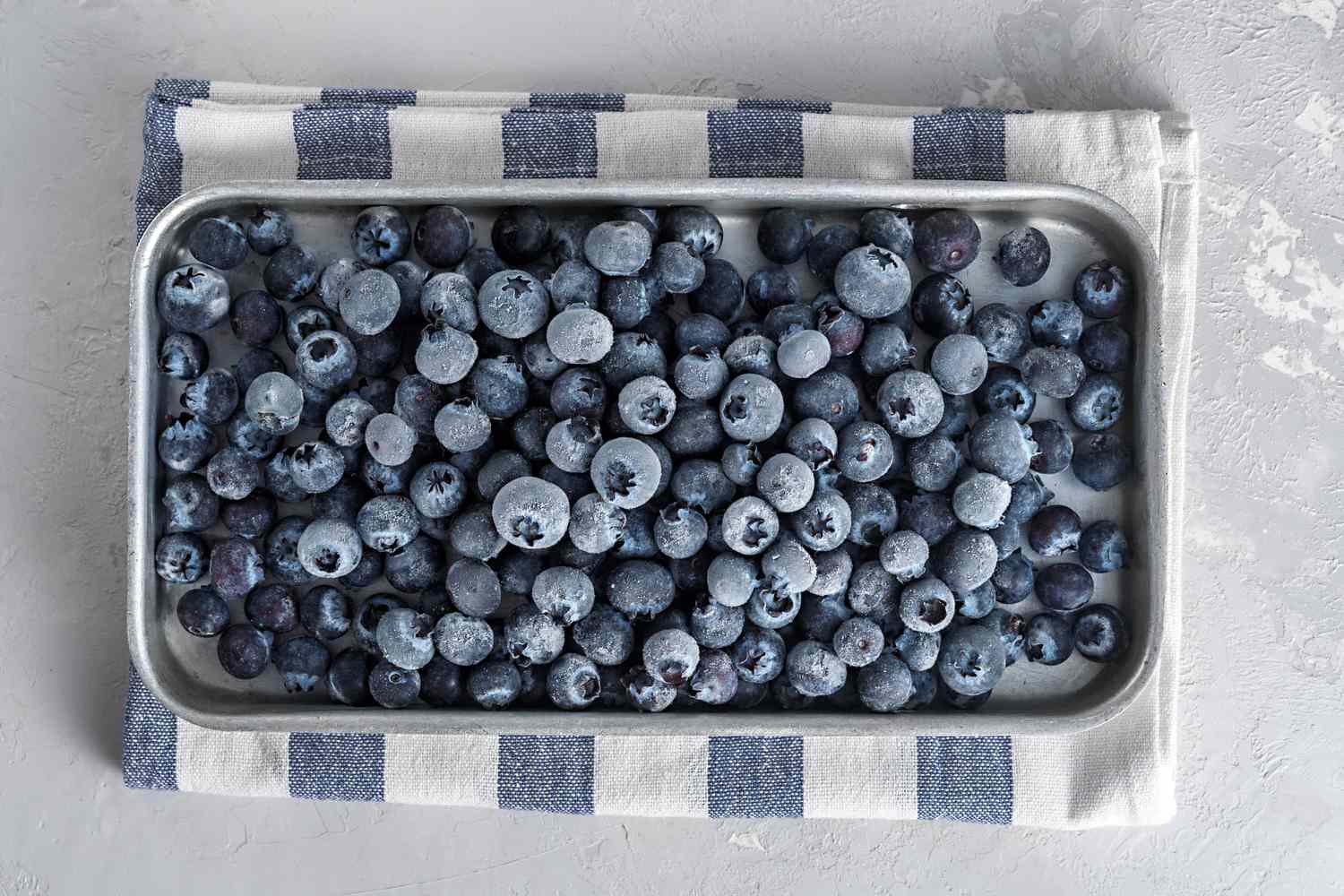
Why Freezing Blueberries Preserves Flavor and Nutrients Best
Summer’s bounty is a fleeting treasure, and few fruits capture the essence of sunshine quite like a perfectly ripe blueberry. While jams, jellies, and preserves have long been cherished methods of extending the season, there’s an arguably superior technique for locking in that vibrant flavor and potent nutrition: freezing. Far from simply preventing spoilage, properly freezing blueberries at home is a sophisticated strategy that mimics the commercial flash-freezing processes used in the food industry, ensuring you can enjoy peak-season sweetness and health benefits long after the last fresh berry has vanished from store shelves. Blueberries, often overshadowed by their more flamboyant summer counterparts like peaches or cherries, are an unsung hero of versatility and health. Whether brightening a morning bowl of oatmeal, adding a burst of flavor to yogurt, or enriching a batch of homemade muffins, these small but mighty berries deliver a delightful sweetness along with an impressive array of health benefits. Learning how to freeze blueberries correctly is not just about convenience; it’s about making an informed choice to preserve their intrinsic value.Why Freezing Blueberries is a Game-Changer for Flavor and Nutrition
The secret to consistently delicious frozen produce from the grocery store lies in flash-freezing fruits and vegetables at the absolute peak of their season. You can replicate this exact principle at home, transforming your kitchen into a personal preservation powerhouse. Here’s why embracing the freezer for your blueberries is a brilliant move:- Extend Their Shelf Life Dramatically: Fresh blueberries typically last only a few days in the refrigerator before starting to soften or spoil. Properly frozen blueberries, however, can maintain their quality for up to a year, offering unparalleled flexibility and reducing the urgency to consume them immediately.
- Maintain Their Nutrients and Antioxidants: One of the most significant advantages of freezing blueberries is its ability to lock in their nutritional integrity. Blueberries are packed with vitamins (like Vitamin C and K) and powerful antioxidants, particularly anthocyanins, which give them their distinctive blue hue. When frozen at their prime, these beneficial compounds are largely preserved, allowing you to access their health-boosting properties year-round. This is in contrast to some other preservation methods that might involve heat, which can degrade certain heat-sensitive nutrients.
- Preserve Peak Flavor and Sweetness: Freezing captures the berries at their optimal ripeness, meaning you're sealing in that intense, summery flavor. This ensures that every berry you pull from the freezer, whether for a smoothie or a pie, delivers a taste experience reminiscent of a warm summer day.
- Reduce Food Waste: How many times have you bought a large punnet of blueberries with good intentions, only for some to go soft before you could use them all? Freezing is an excellent way to prevent this common food waste scenario, ensuring every berry purchased fulfills its delicious potential.
- Unmatched Convenience: Having a stash of pre-frozen blueberries means instant access for smoothies, baking, or even a quick healthy snack. They eliminate the need for last-minute trips to the store and allow you to incorporate fresh fruit into your diet effortlessly, regardless of the season.
The Art of Selecting Perfect Blueberries for Freezing
The quality of your frozen blueberries directly depends on the quality of the berries you start with. Just as a gourmet meal begins with premium ingredients, the best-frozen blueberries begin with the best fresh ones. When you’re at the market or picking your own, keep these tips in mind:- Look for Deep, Uniform Color: Ideal blueberries possess a deep, almost navy-blue hue that is consistent across the berry. While a few red or white patches on some berries in a batch might be acceptable, generally, avoid berries that aren’t blue all the way through – this is a tell-tale sign of under-ripeness, which will result in less flavor and sweetness in your frozen stash.
- Prioritize Firm, Plump Texture: Good blueberries should feel firm and plump to the touch, similar to a firm, juicy grape. Their skin should be taut and unbroken. Steer clear of any berries that appear soft, shriveled, or mushy, as these are past their prime and won't hold up well to freezing.
- Inspect the Container: A crucial, often overlooked, tip is to check the bottom of the blueberry container for any juice stains. Stained containers can signal that some of the berries underneath the visible top layer have burst or are overly ripe, indicating a potential quality issue for the entire batch.
Step-by-Step Guide: How to Freeze Blueberries the Right Way
Freezing blueberries is remarkably simple, and unlike some other fruits and vegetables, they don't require blanching. This streamlined process makes them an ideal candidate for home preservation. Donald Schaffner, a professor and extension specialist in food science at Rutgers University, confirms the simplicity but emphasizes two key considerations: cleanliness and dryness. Here’s how to freeze blueberries effectively:Step 1: Gentle Cleaning and Thorough Drying
Washing your blueberries is an essential first step to remove any dirt, pesticide residues, or surface bacteria. Give the berries a good, gentle rinse under cool water. However, it’s important not to over-wash them, as blueberries have a natural, dusty-white coating called "bloom" that helps protect them. The truly critical part of this step is ensuring they are completely dry afterward.
Why dryness matters: “Keeping them dry will stop them from freezing to each other and turning into a frozen block,” explains Schaffner. Berries with residual moisture will fuse together into an unusable icy clump. To dry them, spread the rinsed berries in a single layer on several sheets of paper towel or a clean, soft dish towel. Gently pat them dry, then allow them to air dry for another 15-30 minutes, ensuring every berry is moisture-free.
Step 2: The Magic of Individual Quick Freezing (IQF) at Home
The secret to perfectly frozen, non-clumping blueberries that are easy to portion is replicating the Individual Quick Freezing (IQF) method used in commercial food processing. This technique ensures each berry freezes separately.
- Line a large baking sheet with parchment paper or a silicone mat. This prevents the berries from sticking to the tray.
- Spread the thoroughly dry blueberries in a single layer on the prepared baking sheet. Ensure the berries aren't touching each other as much as possible.
- Place the baking sheet, uncovered, into your freezer.
- Freeze for 2-4 hours, or until the blueberries are completely solid.
This quick initial freeze prevents the berries from clumping together in their final storage container, making them easy to scoop out individually whenever you need them. For more detailed tips on preventing clumping, check out our guide on Avoid Clumping: The Right Way to Freeze Blueberries at Home.
Step 3: Proper Storage for Long-Term Freshness
Once your blueberries are individually frozen solid, they are ready for long-term storage:
- Carefully transfer the frozen blueberries from the baking sheet into airtight freezer bags or rigid freezer-safe containers.
- If using freezer bags, gently press out as much air as possible before sealing to prevent freezer burn. This is crucial for maintaining quality over time.
- Label the bags or containers with the date of freezing. This helps you keep track of their freshness.
Stored correctly, your frozen blueberries will maintain their quality for 6-12 months, allowing you to enjoy summer's sweetness throughout the colder months.
Step 4: Thawing and Using Your Frozen Blueberries
The beauty of individually frozen blueberries is their versatility:
- For Baking, Smoothies, or Sauces: You can often use frozen blueberries directly from the freezer without thawing. Their firm texture is ideal for adding to muffin batter, pancakes, pies, or blending into smoothies.
- For Snacking or Fresh Use: If you want to use them in a fruit salad or eat them fresh, thaw them in the refrigerator overnight or for a few hours. Be aware that thawed blueberries will have a softer texture than fresh ones due to the ice crystals formed during freezing. However, their flavor remains intact.
Beyond the Basics: Expert Tips for Maximizing Your Frozen Blueberry Experience
To truly make the most of your frozen blueberry harvest, consider these additional insights:- Don't Over-Rinse the Bloom: The natural waxy bloom on blueberries acts as a protective layer. While rinsing is necessary for cleanliness, excessive washing or scrubbing can remove this bloom and potentially impact the berry's integrity. A gentle rinse is sufficient.
- Batch Freeze If You Have Many: If you've acquired a large quantity of blueberries, process them in smaller batches. This ensures that the berries freeze quickly and efficiently on the baking sheet, preventing them from thawing slightly before refreezing, which can lead to larger ice crystals and a mushier texture.
- Optimize Freezer Space: Once the blueberries are individually frozen, transfer them to space-saving freezer bags that can be stacked. This makes your freezer more organized and efficient.
- Consider Vacuum Sealing: For ultimate long-term preservation and freezer burn prevention, a vacuum sealer can be a worthwhile investment, removing almost all air from the packaging.
- Experiment with Varieties: Different blueberry varieties have subtle differences in sweetness and tartness. Experiment with freezing different types to discover your favorites for various culinary applications.
By following these steps and tips, you're not just freezing fruit; you're preserving a piece of summer, ready to be enjoyed anytime. For more ways to extend the life of your fresh produce, explore our comprehensive guide on How to Freeze Blueberries: Keep Them Ripe & Juicy Year-Round.
