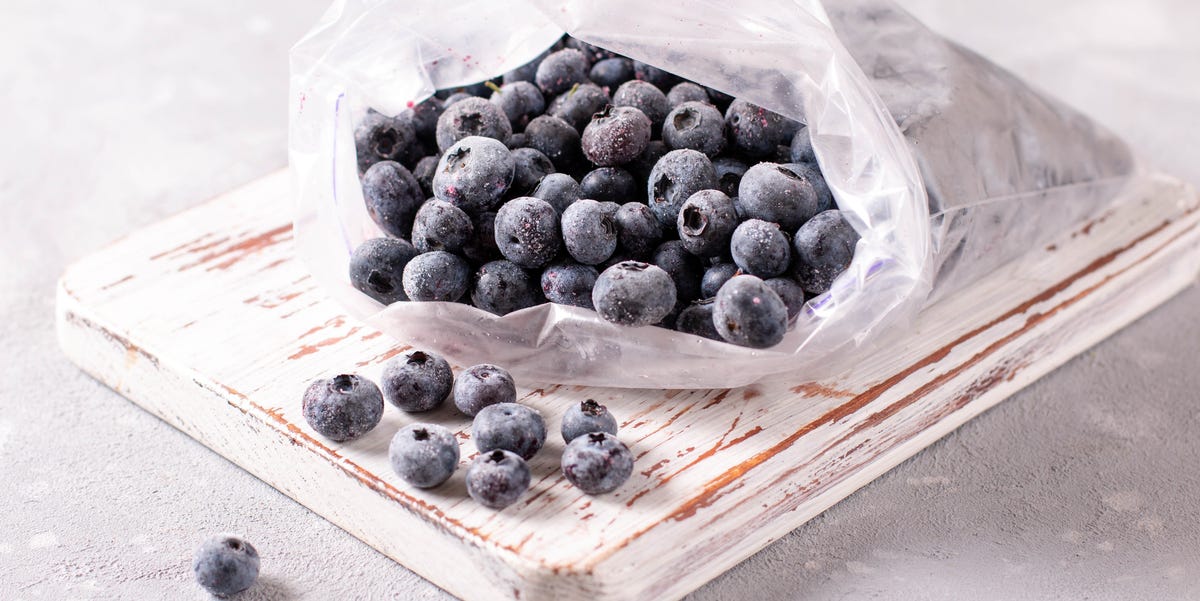
Unlock Summer Flavor: The Ultimate Guide on How to Freeze Blueberries
There's nothing quite like the taste of fresh, ripe blueberries, bursting with sweet and tangy flavor. These tiny powerhouses of nutrition define summer for many, but their season is fleeting. While turning them into jams and preserves is a classic way to extend their enjoyment, not everyone has the time or inclination for canning. The good news? Freezing blueberries offers an incredibly simple, effective, and convenient method to capture that peak-season deliciousness, allowing you to enjoy their goodness long after summer has faded.
Blueberries, though perhaps not as attention-grabbing as peaches or cherries, are endlessly versatile and undeniably popular. From brightening a bowl of oatmeal or yogurt to infusing muffins, pancakes, and pies with their unique taste, they bring a touch of sweet, summery magic to countless dishes. Plus, they're renowned for their impressive health benefits, packed with antioxidants, vitamins, and fiber. Learning how to freeze blueberries properly means you can maximize their nutritional punch and vibrant flavor all year round, ensuring you always have a stash of these blue gems at the ready.
Why Freezing Blueberries is Your Best Bet for Year-Round Enjoyment
The secret behind consistently delicious frozen produce from the grocery store lies in "flash-freezing" fruits and vegetables at their seasonal peak. You can replicate this professional technique right in your own kitchen, locking in flavor and nutrients. Here’s why freezing your own blueberries is an absolute game-changer:
- Extend Their Shelf Life Dramatically: Fresh blueberries typically last only a few days in the refrigerator. Properly frozen, they can maintain their quality for up to a year, making seasonal treats accessible whenever you crave them.
- Maintain Peak Nutrients and Flavor: Freezing, especially when done correctly, is an excellent method for preserving the vast majority of blueberries' vitamins, minerals, and potent antioxidants. By freezing them at their ripest, you're essentially pressing pause on nature's clock. Discover more about this process in our article: Why Freezing Blueberries Preserves Flavor and Nutrients Best.
- Reduce Food Waste: Buying blueberries in bulk when they're in season and at their best price is smart. Freezing any surplus prevents spoilage and ensures every berry finds a purpose, helping your wallet and the planet.
- Convenience and Versatility: Imagine grabbing a handful of frozen blueberries for your morning smoothie without a trip to the store, or stirring them into a winter baking project. They're perfect for a quick snack, adding to cereals, or incorporating into a wide array of recipes.
- Cost-Effectiveness: Blueberries are often most affordable during their peak season. Freezing allows you to capitalize on lower prices and enjoy them during off-peak times without paying a premium.
Choosing the Perfect Blueberries for Freezing
The quality of your frozen blueberries begins with the quality of the fresh ones you select. Think of it as investing in future flavor. Here’s what to look for when choosing a pint (or flat!) of blueberries:
- Deep, Even Color: Ripe blueberries should have a rich, deep blue hue, almost navy. While a few red or white patches on a handful of berries aren't a deal-breaker, avoid berries that aren't blue all the way through, as this indicates they're underripe and won't develop full flavor.
- Firm, Plump Texture: Good blueberries should feel firm and plump, similar to a firm, juicy grape, with a tight, smooth skin. Gently roll them between your fingers; they shouldn't feel soft, mushy, or shriveled.
- The "Dusty Bloom": You'll often notice a faint, powdery white coating on fresh blueberries. This is called the "bloom" and it's a natural protective layer that helps keep the berries fresh. It's a sign of quality and freshness, so don't be alarmed by it.
- Avoid Stained Containers: When picking out your berries, check the bottom and sides of the container. If you see juice stains, it could mean that some of the berries underneath have burst or are past their prime, even if the top layer looks perfect.
Selecting the best berries ensures that when you retrieve them from the freezer months later, they’ll still deliver that desirable fresh-picked taste and texture.
The Step-by-Step Guide: How to Freeze Blueberries Perfectly
Freezing blueberries is remarkably straightforward, requiring no blanching or special treatment that some other fruits and vegetables demand. As Donald Schaffner, a professor and extension specialist in food science at Rutgers University, notes, the key lies in two critical factors: cleanliness and proper drying, followed by a specific freezing method.
1. Preparation: Clean and Dry is Key
Washing your blueberries is always a good idea to remove any dirt, dust, or potential bacteria. However, it's crucial not to over-wash them, especially considering the protective "bloom" mentioned earlier.
- Gentle Rinse: Place your blueberries in a colander and rinse them gently under cool, running water. Avoid letting them soak, as this can make them waterlogged and compromise their texture.
- Thorough Drying: This is arguably the most critical step to prevent your blueberries from freezing into an unmanageable block. Spread the rinsed berries in a single layer on several layers of paper towels or a clean, absorbent kitchen towel. Gently pat them dry, ensuring every berry is as dry as possible. Schaffner emphasizes that "Keeping them dry will stop them from freezing to each other and turning into a frozen block." This step ensures they maintain their individual quick-frozen (IQF) quality.
2. The Freezing Method: Individual Quick Freezing (IQF) at Home
The goal is to freeze each blueberry individually, preventing them from clumping together. This "Individual Quick Freezing" (IQF) method is what commercial processors use and is easily replicated at home for superior results.
- Arrange on a Baking Sheet: Line a baking sheet or a large platter with parchment paper or a silicone baking mat. This prevents the berries from sticking to the surface.
- Spread in a Single Layer: Arrange the thoroughly dried blueberries in a single layer on the prepared baking sheet. Make sure they aren't touching each other. Freezing them in small or shallow containers is also an option if you have limited tray space.
- Flash Freeze: Place the baking sheet with the berries into your freezer. Freeze for approximately 2-4 hours, or until the blueberries are completely solid. The quicker they freeze, the better their texture will be when thawed. This flash-freezing technique is essential for preserving their structure and preventing a mushy outcome. If you're keen to master this technique and avoid those frustrating clumps, our detailed guide provides more insights: Avoid Clumping: The Right Way to Freeze Blueberries at Home.
3. Storage: Transferring for Long-Term Preservation
Once your blueberries are individually frozen, it’s time to transfer them for long-term storage.
- Transfer to Freezer-Safe Containers: Remove the solid blueberries from the baking sheet. Transfer them to freezer-safe airtight bags (like heavy-duty freezer bags) or rigid freezer containers.
- Remove Excess Air: If using freezer bags, try to squeeze out as much air as possible before sealing. Air can lead to freezer burn, which degrades flavor and texture. A straw can be used to suck out air right before sealing, or consider using a vacuum sealer for optimal results.
- Label and Date: Always label your bags or containers with the date of freezing. This helps you keep track of their freshness.
- Store: Place the sealed containers back into the freezer. Frozen blueberries will maintain their quality for up to 12 months.
Enjoying Your Frozen Blueberries All Year Long
Now that you know how to freeze blueberries, the possibilities are endless! One of the greatest advantages of flash-frozen blueberries is their versatility. In most cases, you don't even need to thaw them before use.
- Smoothies: Toss them straight from the freezer into your blender for a thick, frosty, and nutritious smoothie.
- Baking: For muffins, pancakes, waffles, or quick breads, fold frozen blueberries directly into the batter. This helps prevent them from sinking to the bottom and keeps them from bleeding their color too much into the batter. If you're concerned about them turning your batter green, a quick rinse in cold water before adding can sometimes help.
- Oatmeal and Yogurt: Sprinkle a handful of frozen blueberries over hot oatmeal or cold yogurt. They'll thaw slightly and release their juicy goodness.
- Sauces and Compotes: Frozen blueberries are perfect for making quick sauces, compotes, or pie fillings. Their texture becomes softer as they cook, making them ideal for these applications.
- Desserts: Use them in crumbles, crisps, tarts, or even as a simple topping for ice cream.
Embracing frozen blueberries means embracing convenience without compromising on health benefits or flavor. They're a testament to how simple home preservation can truly elevate your culinary experience throughout the year.
Conclusion
Freezing blueberries is a simple, effective, and rewarding way to extend the joy of summer's bounty. By following these straightforward steps on how to freeze blueberries, you can ensure a year-round supply of these versatile, healthy, and delicious berries. From selecting the ripest fruit to employing the individual quick-freezing method and proper storage, you're now equipped to preserve their peak flavor and nutritional value. So, stock up when they're in season, dedicate a little time to preparation, and savor the taste of summer whenever you desire. Your future self (and your taste buds) will thank you!
